Industry Knowledge
Why the L-Shaped Geometry Works: The Mechanics Behind Effortless Nut Removal
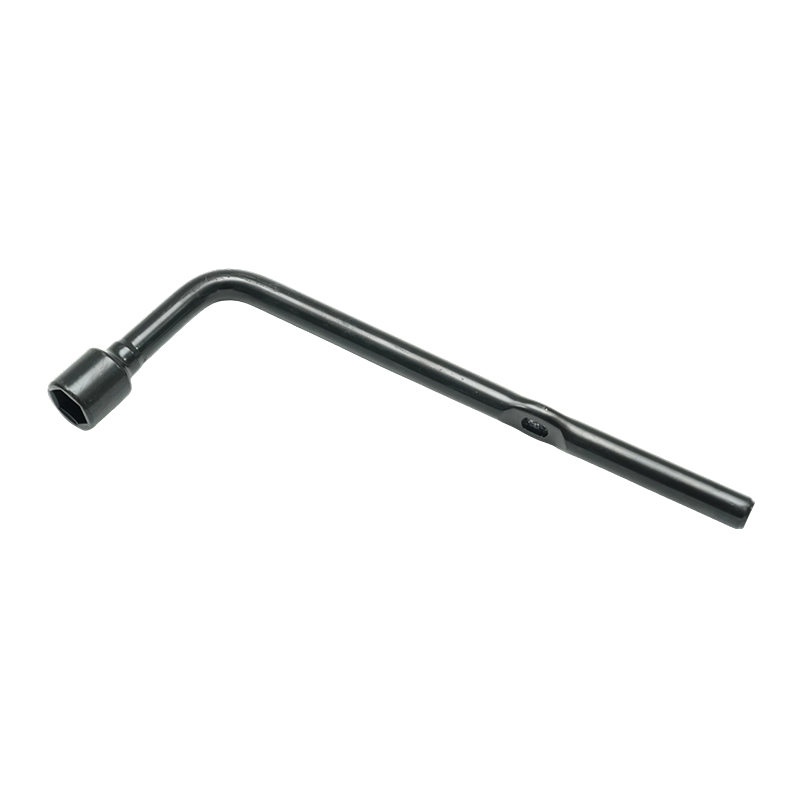
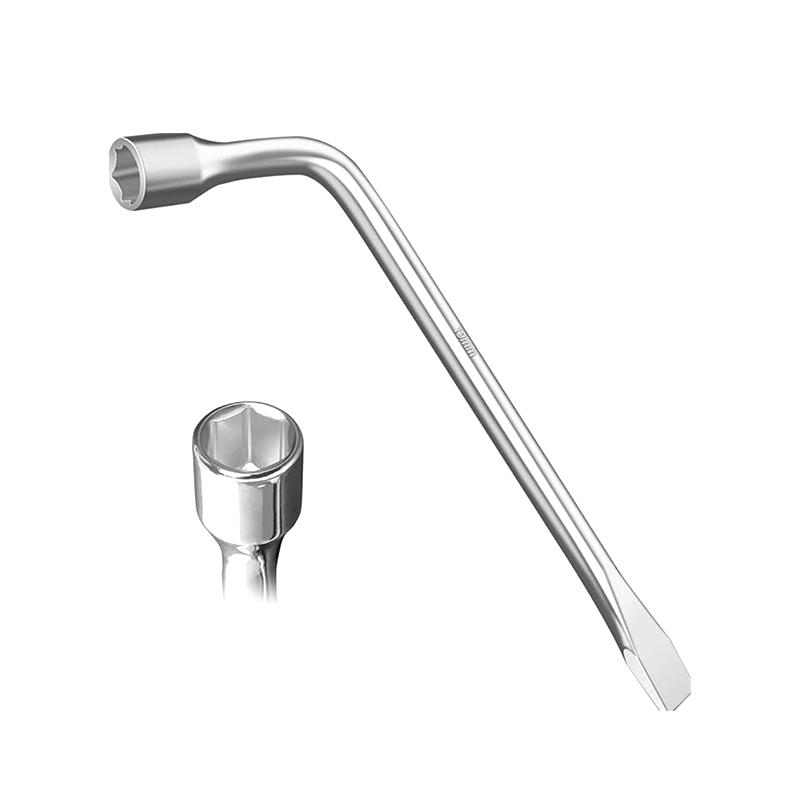
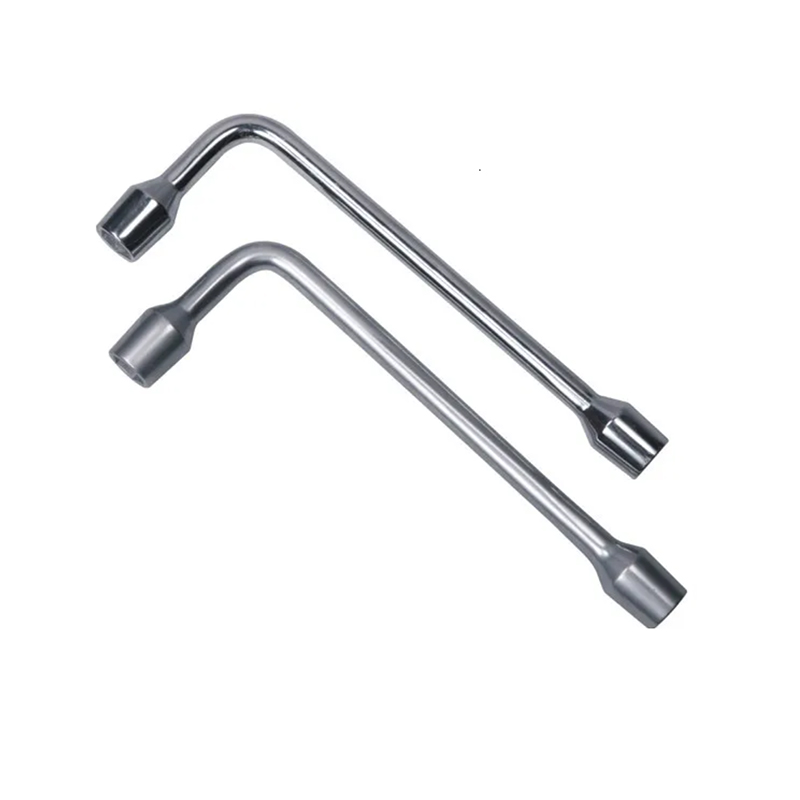
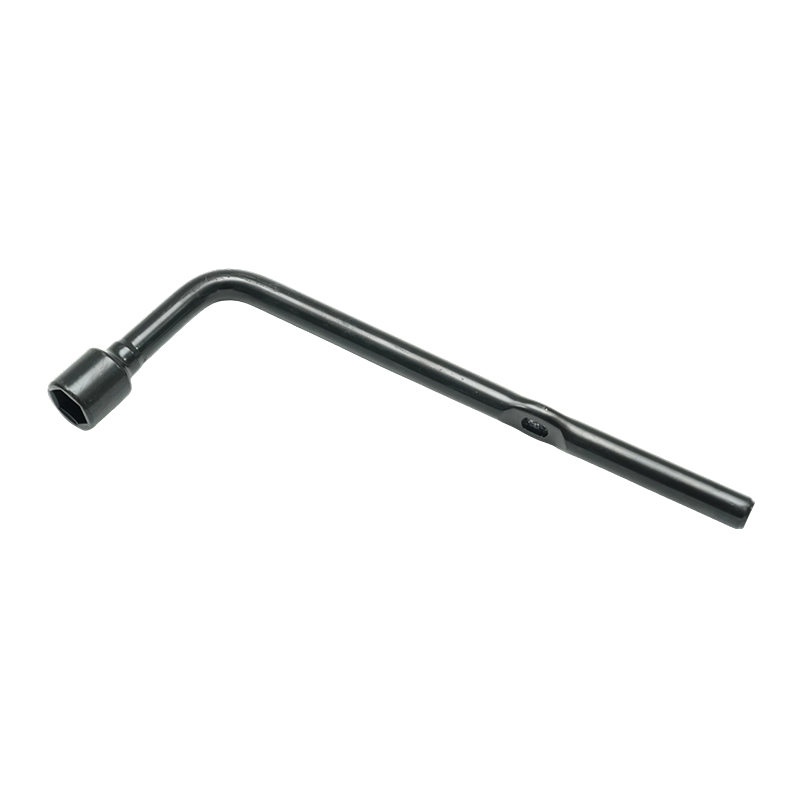
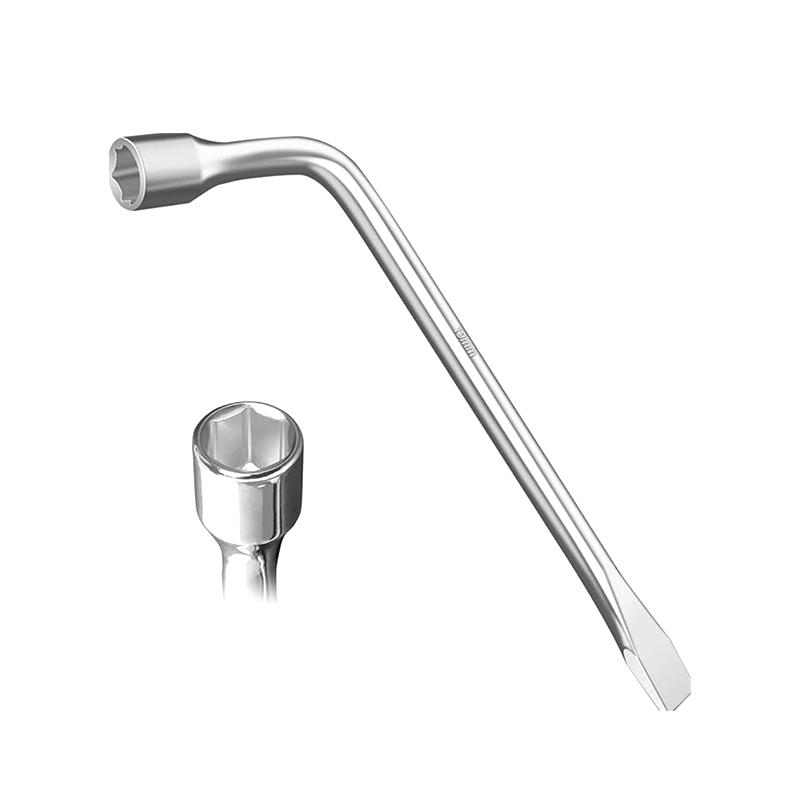
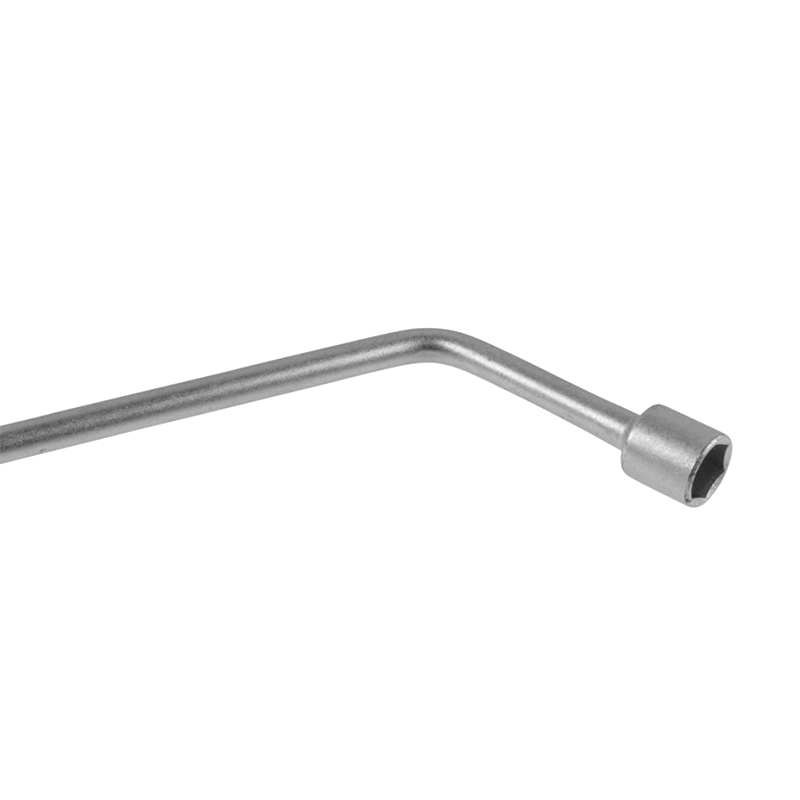
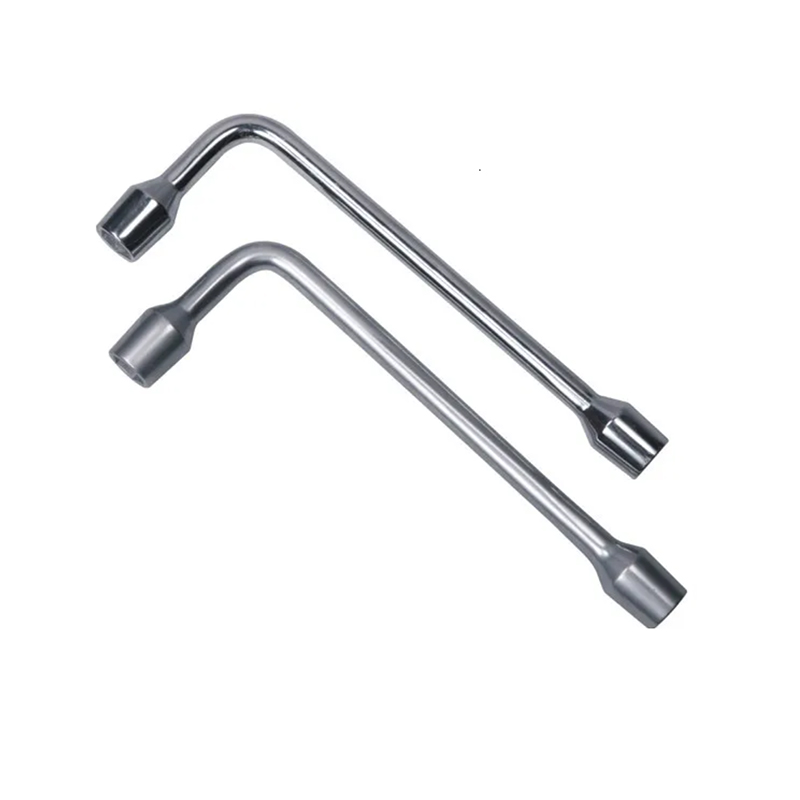
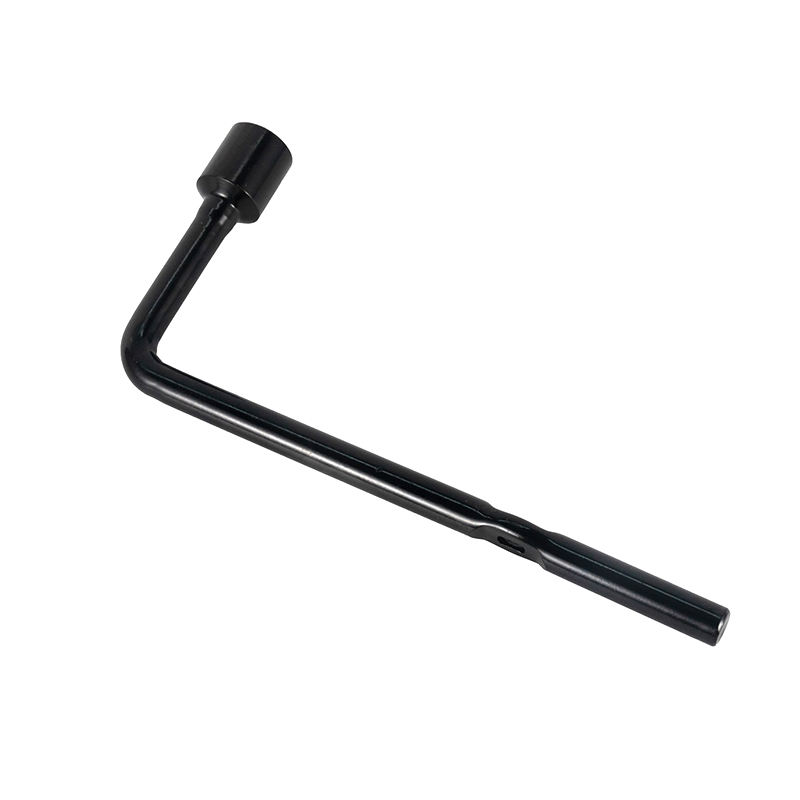
The L shape tire wrench is not just a simplified design choice — the perpendicular handle geometry is a deliberate mechanical advantage. When force is applied downward on the vertical arm, the horizontal socket arm converts that force into rotational torque at the nut. The effective lever length is the full horizontal distance from the socket center to where the hand grips the vertical bar, which on a standard L-shaped tire wrench typically measures 200–280 mm. That moment arm is sufficient to break loose passenger car lug nuts torqued to 80–120 Nm without requiring body weight or a breaker bar extension.
The angle between the two arms also matters. A true 90° bend — not an approximated or cast angle — ensures that the applied force vector is fully perpendicular to the socket arm, maximizing torque conversion with zero wasted lateral force. Precision forging, as opposed to cold bending of bar stock, is the manufacturing method that reliably achieves and holds this 90° geometry across a production run. Any deviation beyond ±2° introduces an oblique force component that reduces effective torque and accelerates handle fatigue at the bend point.
High-Carbon Steel vs. Chrome Vanadium Steel: Choosing the Right Material for an L Shape Tire Wrench
Both high-carbon steel and chrome vanadium steel appear frequently in tire wrench specifications, and the distinction between them is worth understanding for anyone making sourcing or procurement decisions. They are not interchangeable grades — each has a performance profile suited to different use cases and price points.
| Property |
High-Carbon Steel |
Chrome Vanadium Steel (Cr-V) |
| Tensile Strength |
600–800 MPa (heat-treated) |
900–1100 MPa (heat-treated) |
| Impact Resistance |
Good under moderate shock |
Excellent — Vanadium refines grain structure |
| Fatigue Life |
Adequate for light-duty / OEM emergency use |
Superior for repeated heavy-duty cycling |
| Corrosion Resistance |
Relies entirely on surface treatment |
Chromium adds slight base-level resistance |
| Typical Application |
OEM passenger car emergency kits |
Professional-grade and aftermarket tools |
| Relative Cost |
Lower |
15–30% higher depending on alloy content |
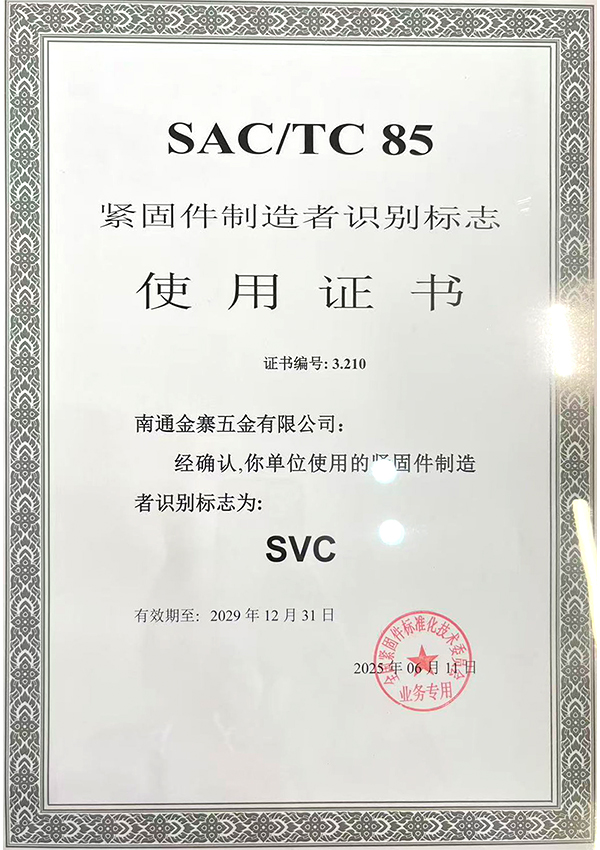
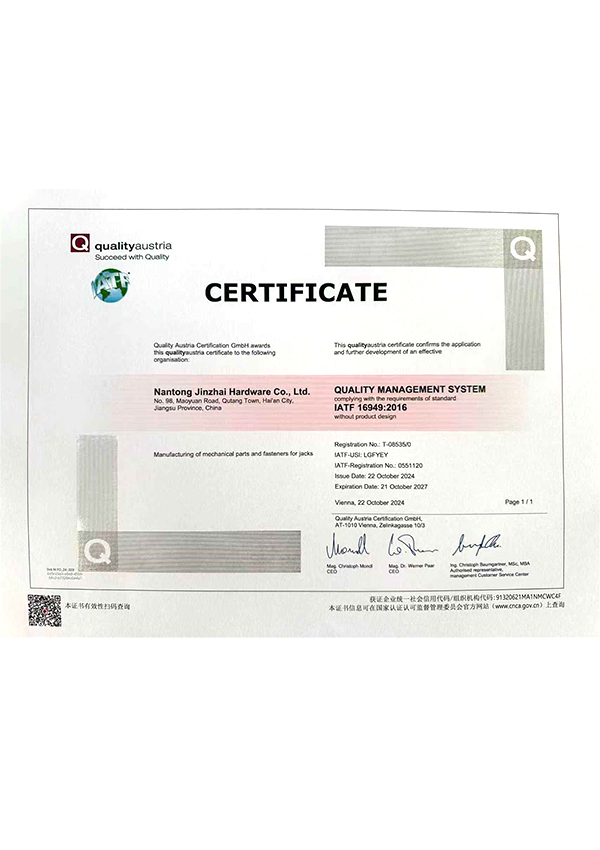
For a standard L-shaped tire wrench bundled with a passenger car, high-carbon steel after forging and heat treatment is typically sufficient — the tool is used infrequently, under known load conditions, and is rarely pushed past its design limits. Where Cr-V steel earns its price premium is in professional service kits, fleet maintenance tools, or any application where the wrench will be cycled repeatedly against higher-torque fasteners. Shanghai Soverchannel Industrial Co., Ltd. supplies both material grades through its Nantong Jinzhai Hardware manufacturing facility, with material certification available for OEM customers who require batch traceability.
Forging and Heat Treatment: How Manufacturing Process Defines the Structural Integrity of an L Shape Tire Wrench
Two L-shaped wrenches can be made from the same steel grade and look identical — yet one will outlast the other by years. The difference is almost always in the manufacturing process, specifically whether the part was forged and heat-treated or simply cut, bent, and surface-finished.
Why Forging Matters at the Bend
The 90° bend in an L shape tire wrench is the highest-stress point in the entire tool — it is where bending moment concentrates during nut loosening. In a forged wrench, the steel grain flow follows the contour of the part through the bend, maintaining continuous fiber structure around the corner. In a wrench made by cold-bending bar stock, the grain structure is interrupted and stretched at the outer radius of the bend. Under repeated high-torque loading, crack propagation tends to initiate at exactly this point in a bent (non-forged) construction. Drop-forging the blank before machining eliminates this vulnerability by aligning grain flow to the final shape.
Heat Treatment Sequence and What It Controls
After forging, a proper heat treatment sequence for tool-grade steel typically involves three stages:
- Annealing: Relieves internal stresses introduced during forging, normalizes grain size, and improves machinability before final socket boring.
- Quenching: Rapid cooling from austenitizing temperature (typically 820–880°C for high-carbon grades) locks in a martensitic microstructure, dramatically increasing hardness and tensile strength.
- Tempering: Reheating to 400–550°C and controlled cooling reduces brittleness introduced by quenching while retaining the strength gain. The tempering temperature is the primary dial for tuning the hardness-toughness trade-off — lower temperatures yield harder, less ductile tools; higher temperatures yield tougher tools more resistant to shock fracture.
A wrench that has been forged but not properly tempered — or quenched without tempering at all — can appear hard and strong under static load but shatter under the shock load generated when breaking a seized lug nut. Requesting a hardness certificate (HRC value) and a statement of tempering temperature from a supplier is a simple way to verify that the full heat treatment sequence was completed.
Comparing L-Shaped Straight Handle Against Other Tire Wrench Types: Structural Trade-Offs by Use Case
The four main tire wrench configurations — L-shaped straight handle, L-shaped (standard), straight handle double head, and cross-shaped — each carry distinct structural strengths and limitations. Choosing between them is a function of vehicle type, usage frequency, storage constraints, and budget rather than simple quality ranking.
| Type |
Lever Advantage |
Storage Footprint |
Socket Versatility |
Primary Limitation |
| L-Shaped Straight Handle |
Moderate (single fixed arm) |
Smallest — flat profile |
Single socket |
Low torque output on high-spec nuts |
| L-Shaped (Standard) |
Moderate-good |
Small |
Single or dual socket |
Limited torque vs. cross type |
| Straight Handle Double Head |
Low (short effective radius) |
Very small — linear form |
Dual socket (two sizes) |
Requires significant effort for high-torque nuts |
| Cross-Shaped (X/Phillips) |
Highest (long bilateral arms) |
Largest — requires dedicated storage |
Up to 4 sockets possible |
Bulky; higher unit cost |
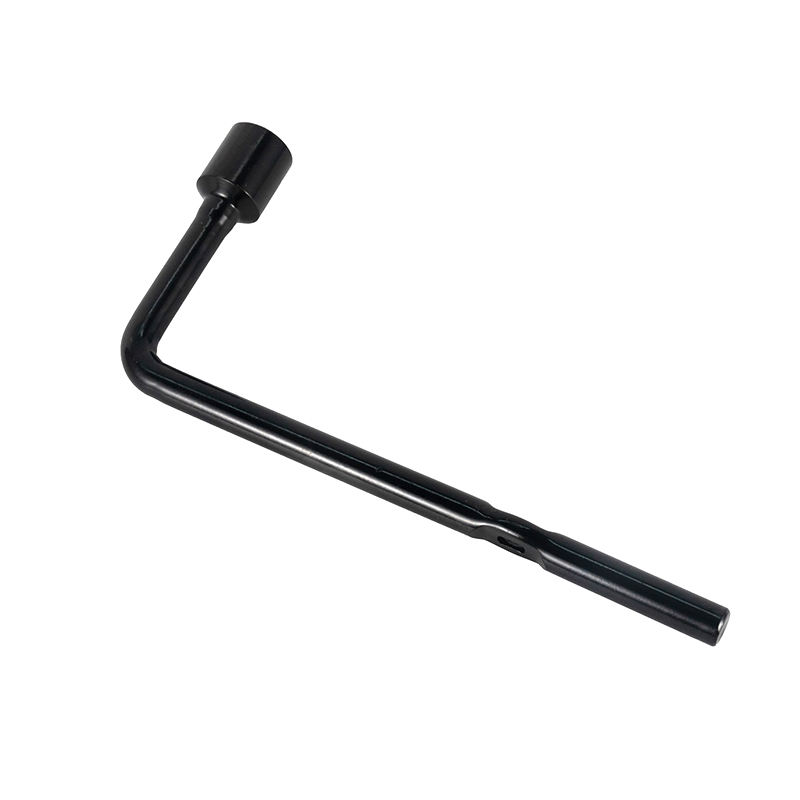
For ordinary passenger cars where the spare wheel compartment is shallow and the lug nut torque spec is within 80–120 Nm, the L-shaped straight handle wrench is a rational OEM choice — it fits, it works for the intended load, and it minimizes cost and weight. The cross-shaped design makes more sense for SUVs and commercial vehicles where nut torques are higher and storage space is less constrained. Understanding these structural trade-offs prevents over-specifying (paying for a cross wrench's bulk when an L-shape suffices) or under-specifying (providing an L-shape to a driver whose vehicle actually requires 160+ Nm of removal torque).
Socket Bore Tolerances in L Shape Tire Wrenches: Why a 0.3 mm Difference Is Not Trivial
The socket bore — the hex cavity that engages the lug nut — is the most dimensionally critical feature of any L shape tire wrench. A bore that is too tight will not engage the nut at all; a bore with excessive clearance will rock on the nut under torque, generating corner-rounding forces that damage the fastener and reduce effective torque transfer. In production environments, "close enough" bore tolerances are the leading cause of field returns and warranty claims on lug wrenches.
Industry practice for hand tool hex sockets specifies bore tolerances in the range of +0.05 mm to +0.20 mm over the nominal hex size, depending on the socket size and the applicable standard (ISO 2725, DIN 3124, or ANSI/ASME B107 depending on the target market). The practical implications for a 19 mm socket:
- A bore at +0.05 mm (19.05 mm across flats) provides a snug fit that maximizes contact area with the nut faces — ideal for high-torque applications.
- A bore at +0.20 mm (19.20 mm) allows easy engagement even on slightly corroded or paint-coated nuts, reducing stuck-socket problems in emergency use — a practical advantage for OEM emergency kits.
- A bore beyond +0.30 mm begins to generate measurable corner-rounding risk on standard hex nuts, particularly when the operator applies high force at an angle.
Bore concentricity — whether the hex is centered on the socket axis — is equally important. An off-center bore wobbles during rotation, making one-handed nut engagement difficult during roadside tire changes. Precision CNC boring after forging, rather than relying solely on the forging die for final dimensions, is the manufacturing approach that controls both tolerance and concentricity simultaneously. Shanghai Soverchannel Industrial Co., Ltd. applies this full-process inspection methodology across its production at Nantong Jinzhai Hardware Co., Ltd., verifying bore dimensions at incoming, in-process, and outgoing inspection stages.
OEM Emergency Kit Specifications: What Automakers Actually Require from an L Shape Tire Wrench Supplier
When an automaker specifies an L shape tire wrench for inclusion in a vehicle's emergency kit, the procurement requirements extend well beyond material grade and socket size. The wrench must meet a set of functional, dimensional, and documentation requirements that vary by manufacturer and target market. Suppliers without OEM experience often underestimate the compliance burden.
Common OEM specification requirements for L-shaped tire wrenches include:
- Stowage envelope compliance: Maximum outer dimensions verified to fit within the vehicle's specific spare wheel well or tool tray. A wrench that is 5 mm too long in any axis may fail kit fitment checks even if it performs correctly.
- Minimum torque performance: Functional testing that the wrench can apply the specified removal torque without permanent deformation of the handle. Test torque is typically set at 1.5× the vehicle's OEM lug nut torque spec.
- Surface finish durability: Salt spray testing hours (typically 96–240 hours per ISO 9227) to verify that the surface treatment — blackening, electrophoresis, or zinc plating — meets the OEM's corrosion resistance requirement for the vehicle's expected service life.
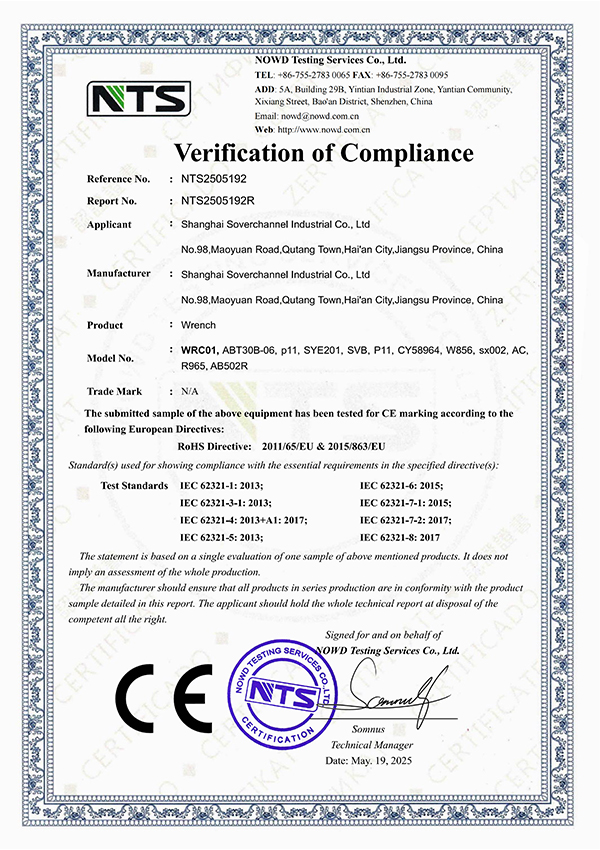
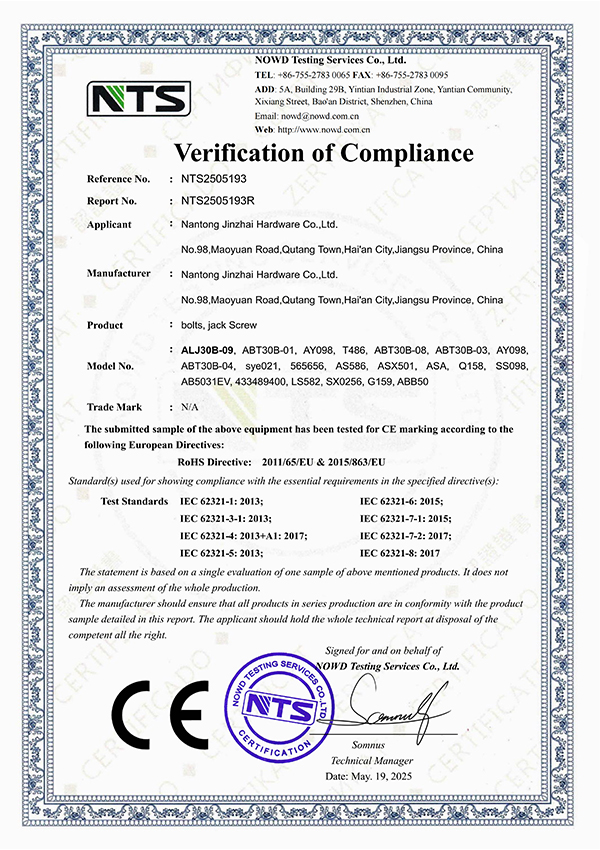
- IMDS and RoHS compliance: Material data submission via the International Material Data System is mandatory for most European OEM programs. Restricted substance declarations (RoHS, REACH) are required for most markets.
- PPAP documentation: Production Part Approval Process submissions — including control plans, measurement system analysis, and initial sample inspection reports — are standard for Tier 1 and Tier 2 automotive suppliers.
As a manufacturer deeply engaged in the automotive fastener industry, Shanghai Soverchannel Industrial Co., Ltd. is structured to support OEM documentation requirements. The company's R&D, production, and sales integration — with manufacturing executed at Nantong Jinzhai Hardware Co., Ltd. — provides the supply chain continuity and quality system depth that multi-year OEM programs require. For non-standard configurations, the same customization capability used for complex special-shaped fasteners extends naturally to custom-dimension or custom-finish L shape tire wrench programs.
Storage and Long-Term Reliability: How an L-Shaped Tire Wrench Should Be Specified for Emergency Readiness
An L shape tire wrench in an OEM emergency kit may sit unused for 3–7 years before it is needed. That period of inactivity in the spare wheel well — exposed to humidity cycles, temperature extremes from −30°C to +80°C in some markets, and occasional water ingress — is actually more damaging to many surface treatments than active use. Specifying for storage durability rather than only for functional performance is a distinction that matters in both OEM and aftermarket contexts.
Surface Treatment Choices for Long-Term Storage
Blackening alone offers the weakest long-term corrosion resistance — the magnetite conversion layer is thin (1–3 µm) and requires supplemental oil treatment to remain effective. Without re-oiling, bare metal becomes visible within 6–12 months of storage in humid conditions. Electrophoretic coating (E-coat) and zinc plating are the two finishes that reliably survive multi-year storage:
- Electrophoretic coating: Penetrates into the socket bore and all recesses, forming a uniform 15–25 µm film. Provides 500+ hours of salt-spray protection per ISO 9227 and maintains adhesion through thermal cycling without cracking or delamination.
- Zinc plating (galvanizing): The sacrificial zinc layer actively prevents base steel corrosion even when the coating is scratched — highly relevant for a tool that may be dropped or scraped against concrete during use. Standard automotive zinc plating achieves 120–240 hours of neutral salt spray protection; trivalent chromate passivation post-treatment extends this significantly.
Socket Bore Preservation
The socket bore interior is the area most likely to develop corrosion that affects function — a rusty socket bore that seizes onto a lug nut during an emergency tire change is a genuine usability failure. Surface treatment that reaches the bore interior (E-coat does; spray painting generally does not) and a light factory-applied corrosion inhibitor inside the bore are the two specification points that address this risk directly. These are details that experienced OEM fastener suppliers build into their standard process rather than treating as optional upgrades.


 English
 中文简体
中文简体 Español
 Deutsch
 русский
 عربى
عربى